How is it possible that Finland harvests massive cucumber crops in the middle of the cold, dark Nordic winter?
And why are Finnish greenhouses among the most energy‑efficient in the world, while also managing to constantly reduce both their carbon and water footprints?
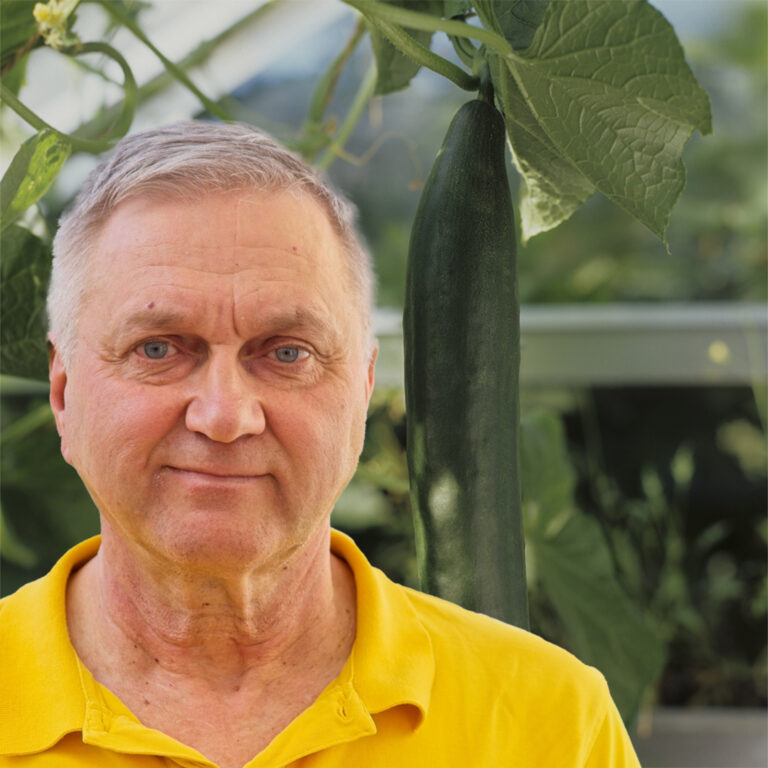
According to Kari Silokangas, Product Manager at Kekkilä-BVB, Finnish greenhouse cultivation has had to become extremely efficient in order to stay competitive. Finnish consumers want high-quality, domestically produced fresh products, but the price must be competitive compared with imported goods.
“A long, cold, and dark winter has forced greater efficiency, and for example the use of artificial lighting has been something that simply had to be learned. Our bright and long summer days also help to increase yields”, he says.
Finland has perfected the art of optimisation. Heating, lighting, irrigation, nutrient management, growing media – every resource is fine‑tuned with precision. Automation takes care of irrigation, lighting and climate, ensuring conditions are always optimal for growth.
But even the smartest technology can’t replace the grower. “Green fingers are still essential,” Kari says. He works closely with growers to develop and test new growing media. The best moments in his work are digging into the ’why’ behind changes in crop performance – and solving challenges together.
His conclusion is clear: “Finnish year‑round greenhouse cultivation is exceptionally efficient, responsible and productive on a global scale because our expertise and research collaboration are so strong. We have both the drive and the pull to keep innovating.”