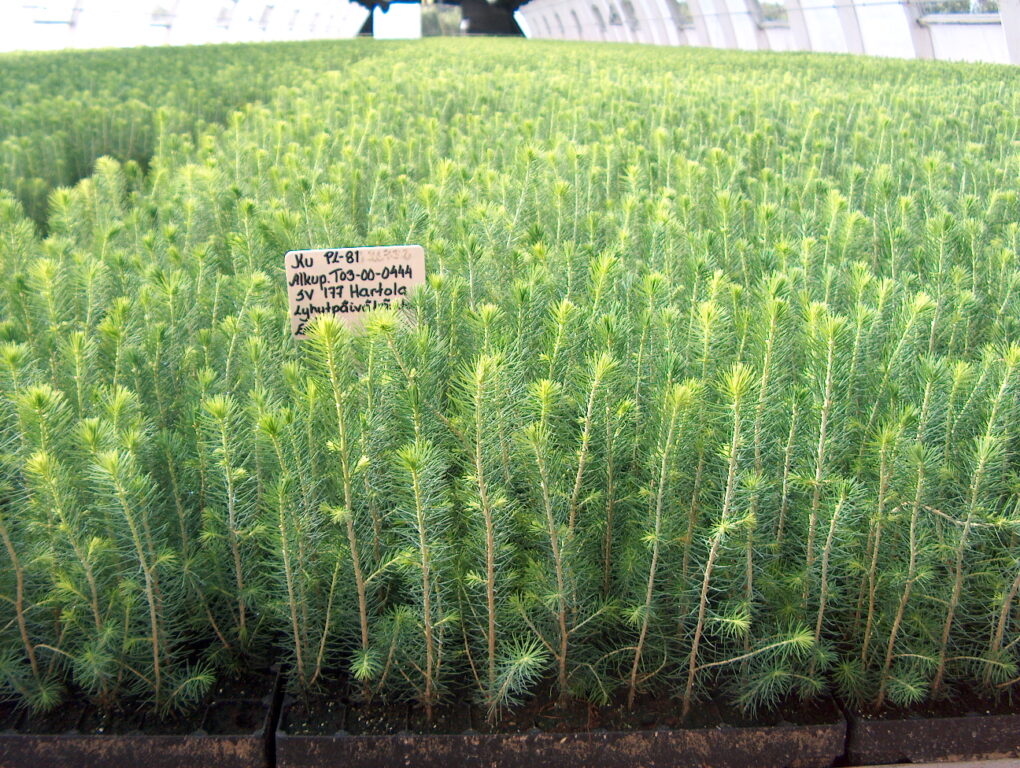
Sphagnum moss in our growing media
Its unique physical and chemical properties help crops to develop strong root systems more quickly.
Sphagnum is a genus of close to 400 species of mosses, commonly known as sphagnum moss. Sphagnum moss is a renewable raw material with physical properties that support aeration and water retention in substrates. It has high water retention rates and ensures a quick absorption of water. It can even retain up to 25 times its own weight in water! Next to that it creates air porosity in growing media, which is beneficial for the plant roots.
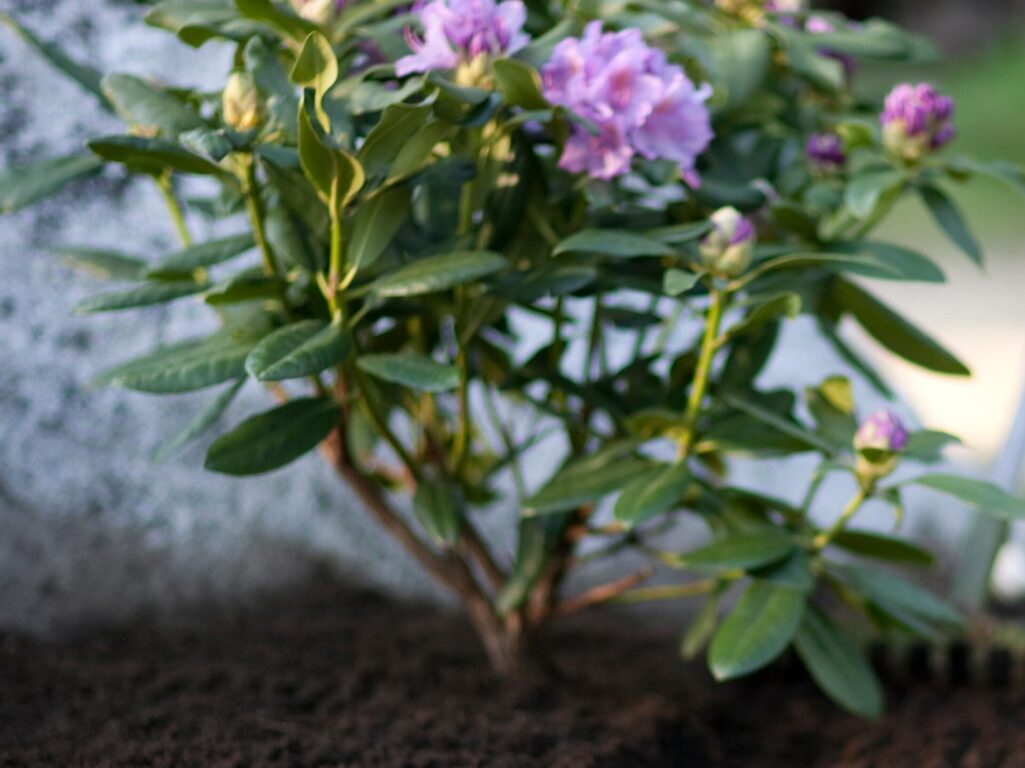
Adding sphagnum moss to substrates benefits the rooting speed of crops due to the increased porosity of the mixture. That way water distributes quickly and evenly throughout the substrate. Sphagnum moss also ensures that the plant roots can access water at any time due to the improved water holding capacity it adds to the substrate. This way a fitting amount of easily available water is ensured. Having access to appropriate amounts of water when needed is highly important to ensure a quick growth of strong and elaborate root systems.
Most acid-loving crops are known to have finely branched, thin and sensitive root systems. It’s important that a substrate encloses the roots well while providing sufficient drainage, which ensures the availability of much needed air to the plant.
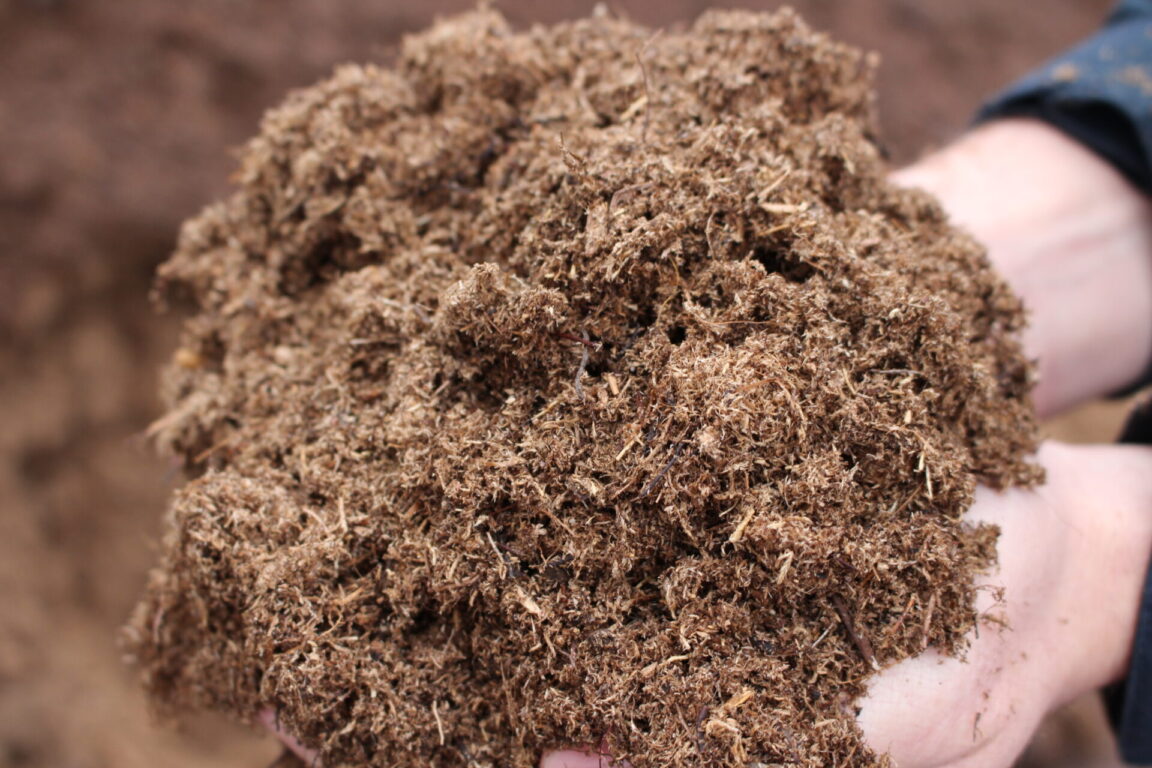
Sphagnum moss is a renewable material, meaning it grows back after harvesting. It grows approximately 10 mm per year. Finland has approximately 300.000 hectares of land area suitable for the collection of this moss. The collecting cycle is estimated to be 5-30 years, depending on the harvesting method.
In addition to the fact that the low bulk density of sphagnum moss can reduce transport weight compared with heavier raw materials, it also has a relatively low specific weight. This means that the transport of sphagnum moss has a small environmental footprint.