Peat in our growing media
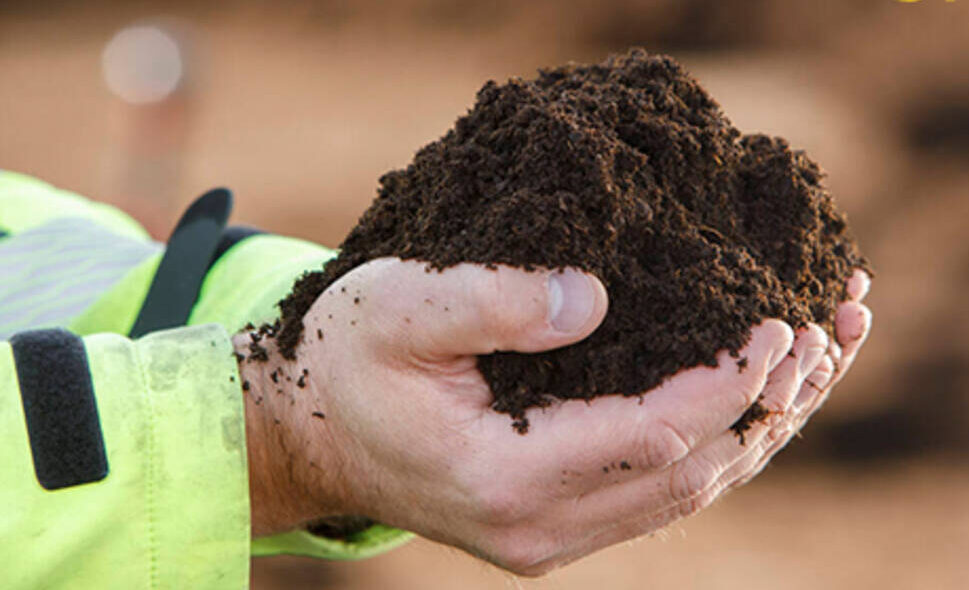
We use peat in our growing media due to its unique properties that support healthy plant growth. It is formed of partially decayed vegetation in wetlands and is widely used in growing media because of its consistent physical and chemical properties.
Peat increases water retention
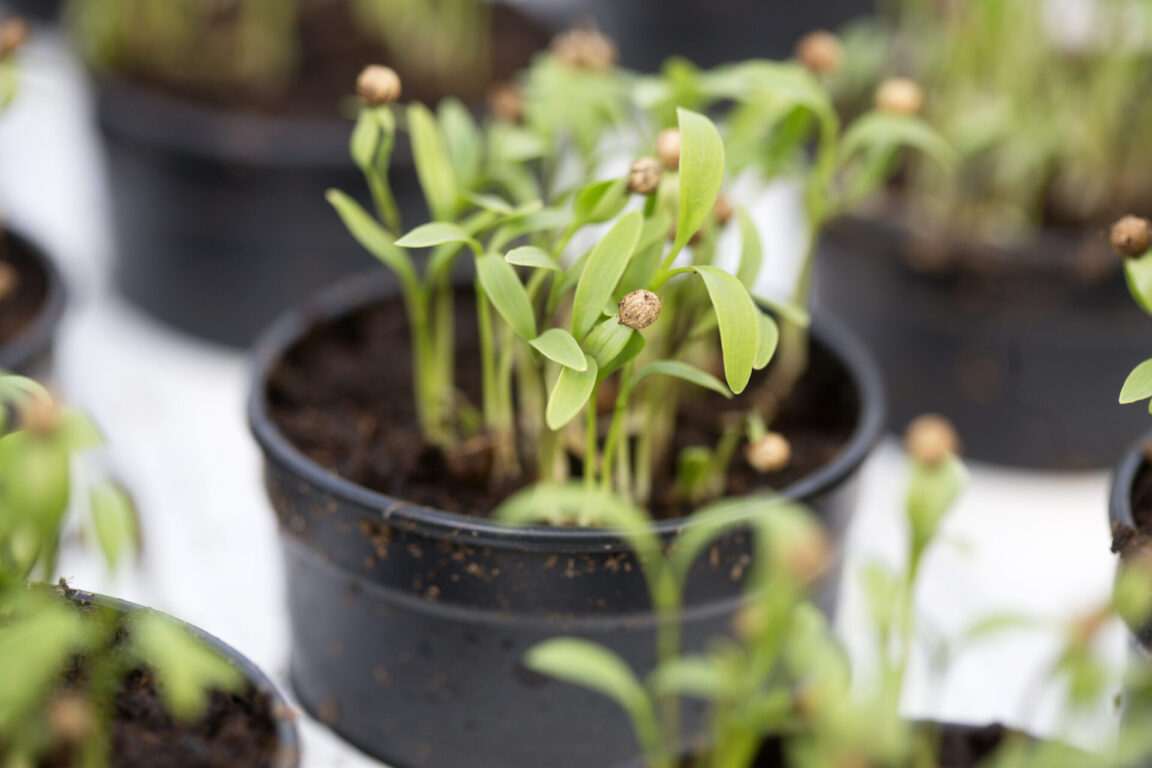
Peat can hold a significant amount of water, which ensures that plants have a consistent supply of moisture. This is crucial for maintaining plant health, especially in controlled environments like greenhouses.
Peat improves soil structure
Despite its water-holding capacity, peat also provides good aeration and drainage. This balance prevents waterlogging and ensures that plant roots receive enough oxygen.
Peat helps to reduce leaching of nutrients
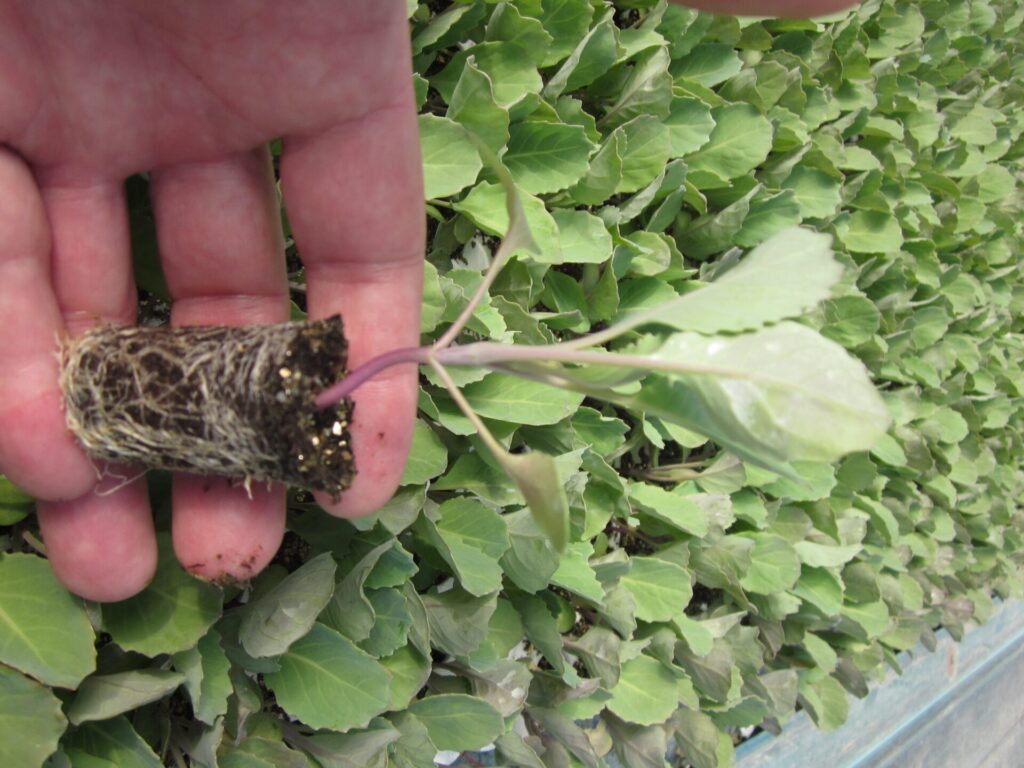
Peat helps retain nutrients and makes them available to plants over time. This reduces the need for frequent fertilization and helps in maintaining a stable growing environment.
Contains no weeds or pathogens
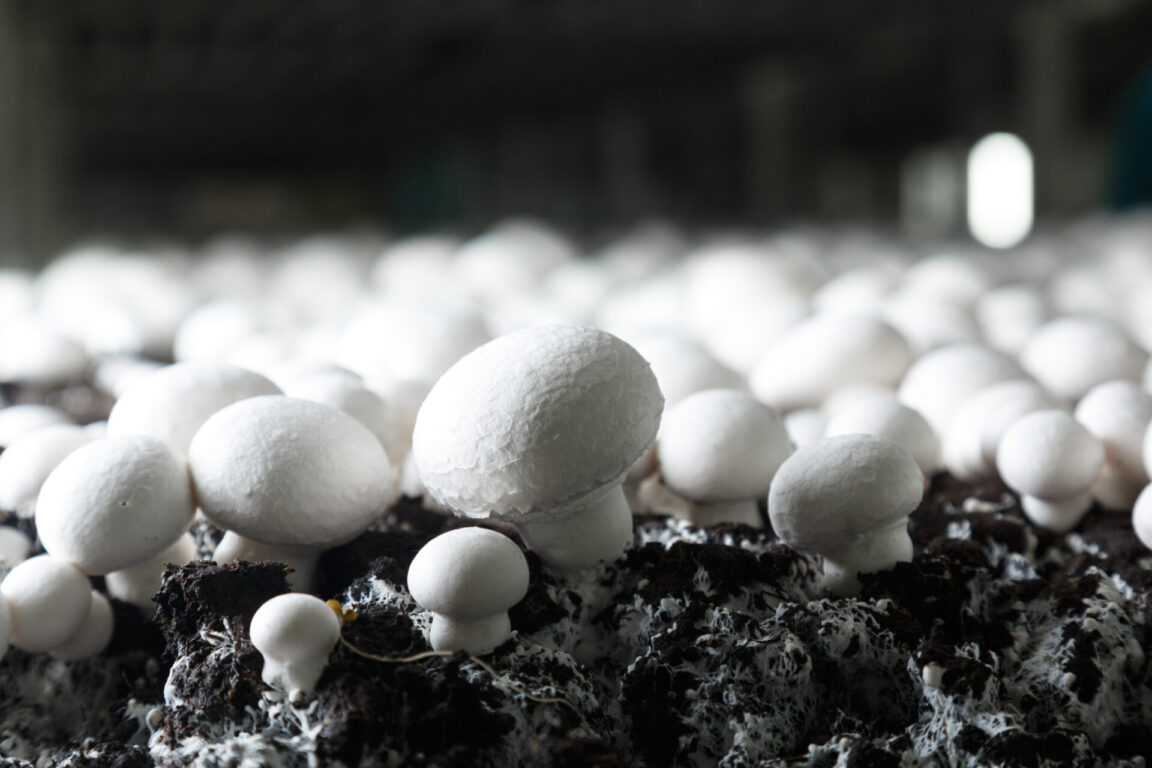
Peat is naturally low in weeds and many plant pathogens, which reduces contamination risks in growing media. This makes it a safe growing medium for plants.
Peat improves pH buffering
Peat is highly tolerant of pH variations and has a natural ability to buffer pH levels, which helps maintain a stable and suitable pH for plant growth. This is important for nutrient uptake and overall plant health.
Peat is easy to handle
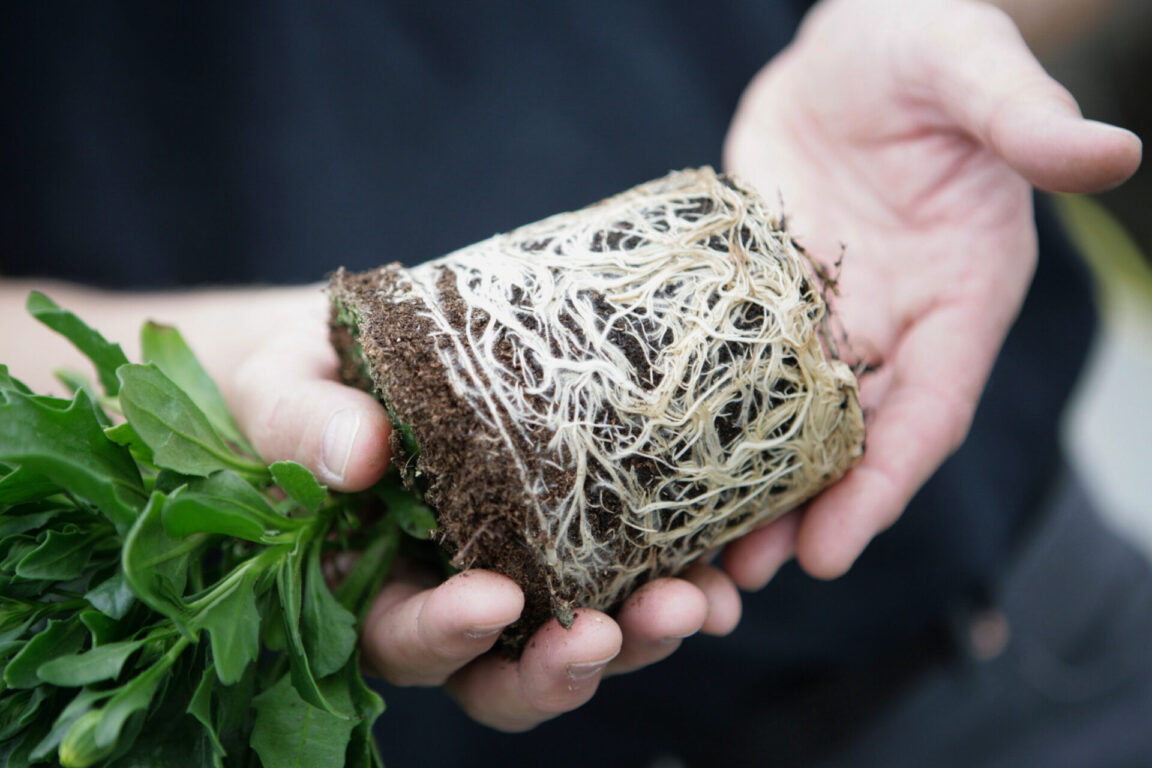
Peat is relatively lightweight compared to soil, making it easier to handle and transport. This is beneficial for both commercial growers and hobby gardeners.
Peat enables us to trial and use new circular and renewable materials
Peat is an invaluable component of growing media, as it supports the efficient and effective cultivation of a wide variety of plants by improving the balance in the substrate.
Responsibly produced peat
No more than 0,4% of the peatlands in Europe is used for peat extraction. About 40% of the European peatland is used for agriculture and forestry.*
Peat production can be located only in peatlands that are not in their natural state. Nationally or regionally significant natural values are not at risk of deterioration. Planning and preparation of a peat production area is always regulated by environmental permit. After-use restoration can support peatland recovery over time, depending on site conditions and restoration measures.
*Sources: RPP. IPS 2010 Strategy for Responsible Peatland Management, IPS, 2010.
Responsibly Produced Peat (RPP) is an independent organisation that ensures that peatland is used, managed and restored in a responsible way:
- Protection of areas with high conservation value
- Preference for restoration or other wet after-use
- Assuring the availability of peat from responsible sources